Share
Variant Champions
 ‌ ‌ ‌ ‌ ‌ ‌ ‌ ‌ ‌ ‌ ‌ ‌ ‌ ‌ ‌ ‌ ‌ ‌ ‌ ‌ ‌ ‌ ‌ ‌ ‌ ‌ ‌ ‌ ‌ ‌ ‌ ‌ ‌ ‌ ‌ ‌ ‌ ‌ ‌ ‌ ‌ ‌ ‌ ‌ ‌ ‌ ‌ ‌ ‌ ‌ ‌ ‌ ‌ ‌ ‌ ‌ ‌ ‌ ‌ ‌ ‌ ‌ ‌ ‌ ‌ ‌ ‌ ‌ ‌ ‌ ‌ ‌ ‌ ‌ ‌ ‌ ‌ ‌ ‌ ‌ ‌ ‌ ‌ ‌ ‌ ‌ ‌ ‌ ‌ ‌ ‌ ‌ ‌ ‌ ‌ ‌ ‌ ‌ ‌ ‌ ‌ ‌ ‌ ‌ ‌ ‌ ‌ ‌ ‌ ‌ ‌ ‌ ‌ ‌ ‌ ‌ ‌ ‌ ‌ ‌ ‌ ‌ ‌ ‌ ‌ ‌
ConnectMyVariant logo

November 2025
Issue #49

Variant Champions: Turning Shared Risk into Shared Support

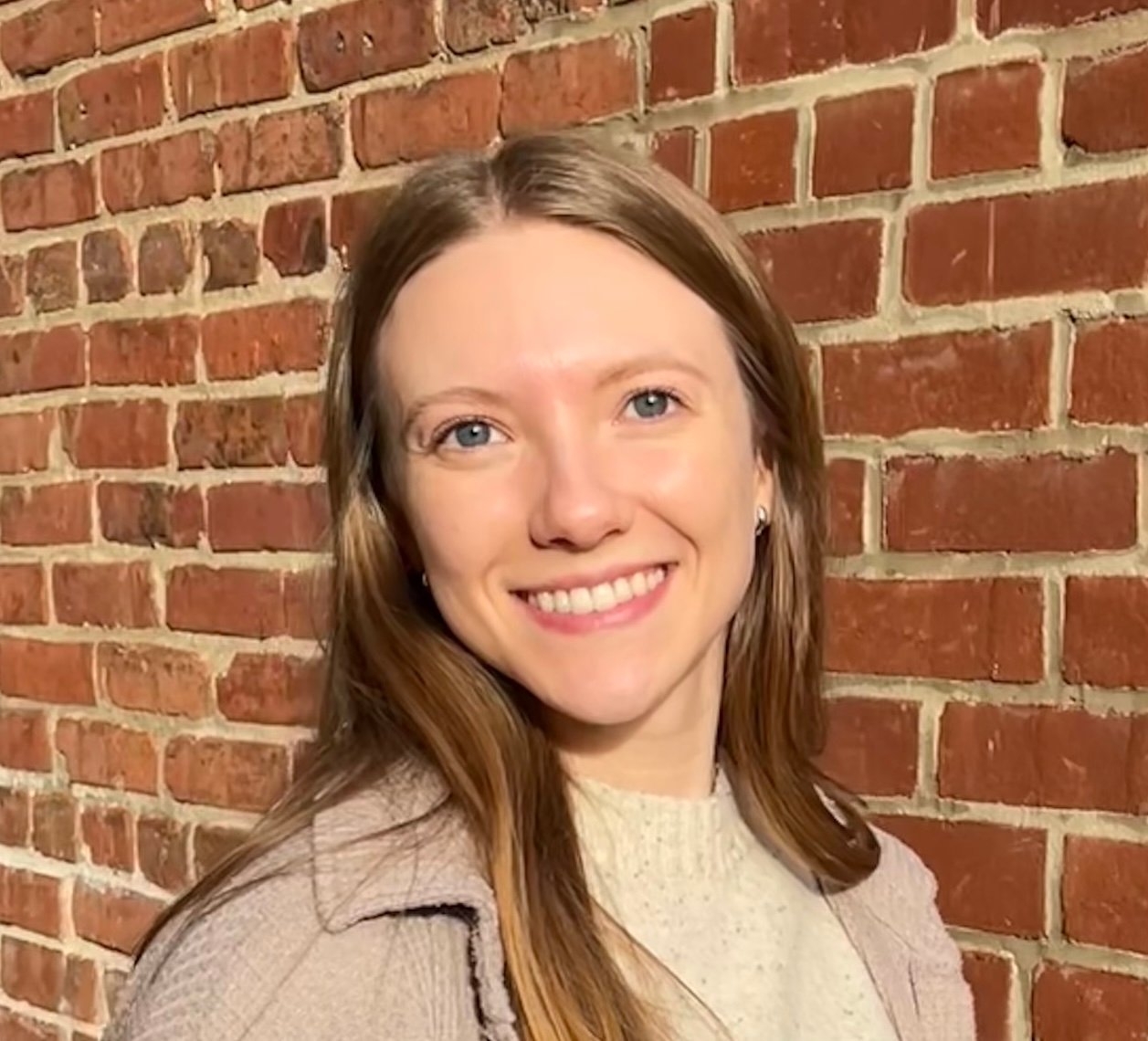
Grace struggled with how to phrase her message to strangers. “How much do I share in the first email?” she thought. “Do I talk about my story, or do I just say I also have this variant and would like to chat with you?”


From her experiences after her mother’s cancer diagnosis, Grace knew that talking about health information can be empowering. That’s one reason she volunteered to be a Variant Champion—the point person for ConnectMyVariant members with her BRCA1 c.2035A>T variant so they could communicate. Three other people with the variant had indicated that they wanted to share contact information when they joined ConnectMyVariant, but they had not yet reached out to each other.


As Variant Champion, Grace would start the conversation. She settled on a simple introduction and pressed send. Then she waited. She didn’t expect all three to respond.


To her surprise, she received replies that same day.

Grace

Grace

“That was really exciting,” she said. “They were willing to talk to me, and tell me about their story and for us to learn from each other.”


After the initial contact, communication with each member was different. One wanted to schedule an online chat but wasn’t able to find a time that worked. One was busy, so Grace decided to wait a few months to follow up. The last member met Grace in a virtual meeting. 


“We connected instantly and had so much to talk about,” Grace said. Both were interested in finding their common ancestor, so they compared AncestryDNA trees. Their trees didn’t have any last names in common, so if they were cousins, they were very distant cousins. Together, they realized how far back the first person with their mutation might have lived.


“It just opened my eyes to how many people we haven't communicated with, we haven't connected with, who might also have this variant,” Grace said.


Grace has just started in her role as Variant Champion. In the coming months, she’ll schedule meetings for the whole group, which some people find more comfortable than one-on-one chats. The group members will decide whether to be a support group, a genealogical puzzle-solving group or a combination.


In the time since Grace sent that first email, her view of the role has shifted.


“I was thinking of it more as a clerical role, like I’m just the one sending the emails,” she said. “I realized how much of a champion you can be in the Variant Champion role—supporting people in their stories, helping them connect with other family members, providing guidance or encouragement that I might have benefited from in my personal journey. ... I realized how much of a personal role it is and how much personal connection and fulfillment I would get.”

Create a Common History, Not Just Common Genes


You can be a Variant Champion.


You can be a connecting link in your own extended family when you volunteer to be a Variant Champion.


What is a Variant Champion?


A Variant Champion is a ConnectMyVariant member who organizes communication among members who share their variant. Champions help in a big way, on a small scale.


What does a Variant Champion do? 


Variant Champions correspond with members individually and set up ways for the group to build relationships, usually through social media or virtual meetings. They can also coordinate family history efforts, sometimes with the help of professional genealogists at the BYU Center for Family History and Genealogy.


“Everyone’s joining this organization for different reasons, but I think a main connecting factor is that we all want support,” Grace said. The Variant Champion facilitates this support system. That support may take different forms in different groups. Members may want to talk about treatment plans or difficult family outreach situations. They may want to build out their family trees to find a common ancestor. The group’s needs—and the Variant Champion’s own communication style—shape what the role entails.


What expertise is required?


Variant Champions don’t need any specific background. ConnectMyVariant provides resources about genetic testing and outreach activities to members, so Champions don’t have to know this information before starting.


“You definitely don't have to be an expert,” Grace said. “The only prerequisite to being a Variant Champion is just being open to share your story, and being open to connecting with others and being that point person.”


The role can sometimes have emotional challenges as members with different backgrounds talk about their experiences, so Champions should feel comfortable with navigating the personal relationships they will develop.


Do Variant Champions need to have inherited the variant?


Variant Champions can be people who have lived with a hereditary disease, previvors or relatives and spouses of those with a pathogenic variant. Every member has insight that can help others. Champions don’t need to have a certain kind of personal experience, only a desire to create a space where all experiences are valued.


How much time does it take?


The time commitment can vary depending on the size of the group and how often the group decides to meet. For Grace, emailing and arranging meetings has taken 15 to 30 minutes a week. That amount may change if the group grows or if current members decide not to participate.


How do I sign up?


If you have any questions about Variant Champions or would like to become one yourself, email info@connectmyvariant.org.


“Anyone who is passionate about supporting others and giving time and energy into this group would be a really great Variant Champion,” Grace said. “Don’t be afraid to put yourself out there. It’s a really rewarding experience so far, and I know that both the Variant Champion and the other members get so much out of it.”


Three portraits in frames

With Our Gratitude and Thanks

Did you know that Thanksgiving (November 27, 2025) is National Family Health History Day in the United States? While your close family gathers to talk about what they are thankful for, take the opportunity to discuss your shared health history.


If you’d like to support your more distant family on National Family Health History Day, the best thing you can do is volunteer as a Variant Champion. By working with others who share your variant, you could identify people who may not know about their hereditary risk. 


If you’d like to support other families, volunteer to serve on one of ConnectMyVariant’s committees. You can learn more about these committees on our volunteering web page


If you don’t have time to volunteer but would like to contribute, donate to ConnectMyVariant in any amount at Every.org. A gift of $100 will cover the cost to train one Family Outreach Navigator, who will then be able to provide one-on-one outreach coaching to help up to six families in 2026. Your gift has a real impact on preventing disease.


This season, we at ConnectMyVariant are thankful for the dedicated volunteers and generous donors who make our mission to save lives possible. We could not do what we do without your support.


Thank you from all of us at ConnectMyVariant, and have a joyful holiday season!


ConnectMyVariant's mission is to end hereditary disease by bringing families together.

ConnectMyVariant is a 501(c)(3) nonprofit.
Your tax-deductible donation helps families prevent hereditary disease.

Visit our donation page at Every.org to give.

Donate Now


Email Marketing by ActiveCampaign