|
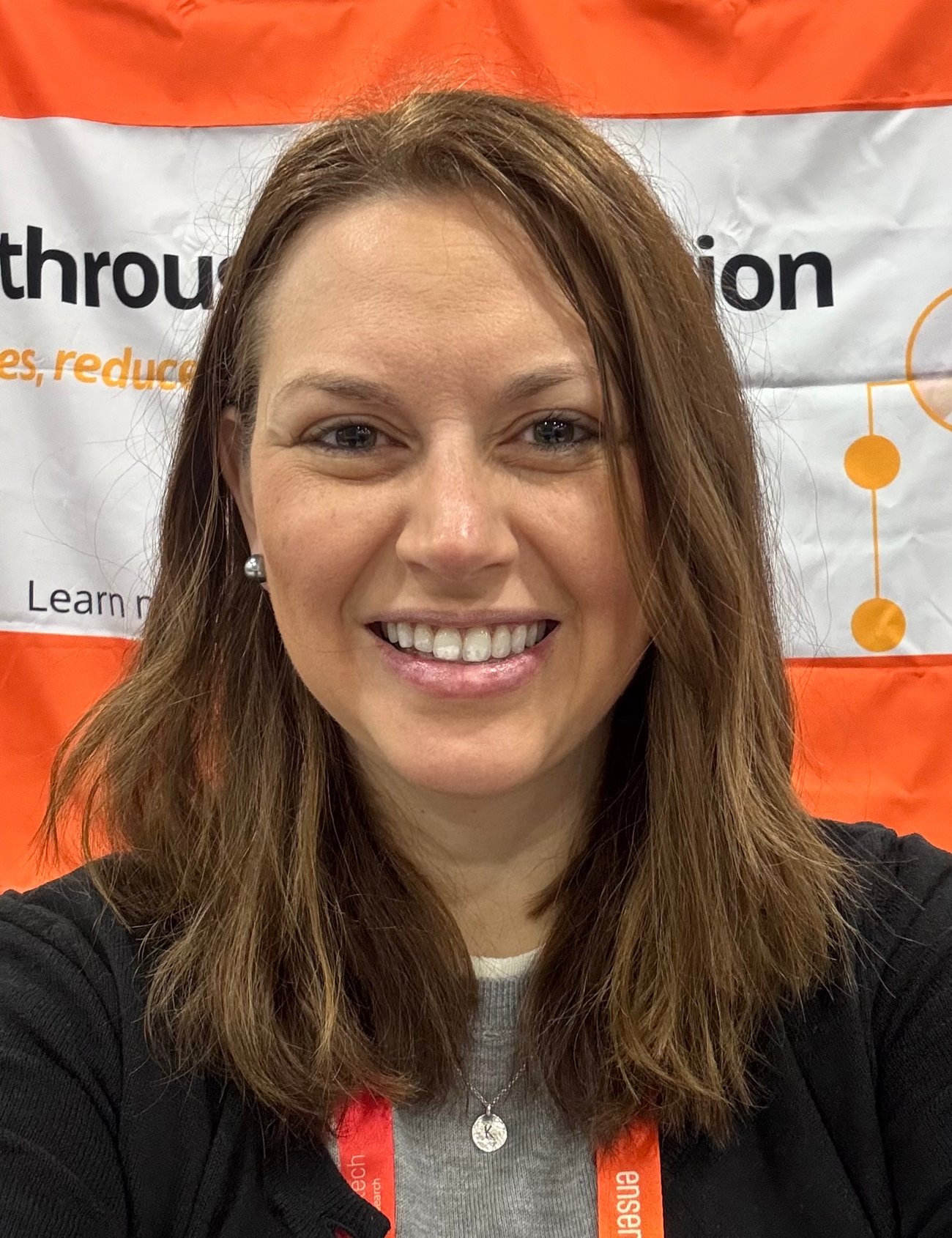
Many members of the ConnectMyVariant community have faced difficult decisions about preventative care when much is unknown about their unique variants. Two variants of the same gene may lead to different risks for patients, but no one knows exactly what those differences are. ConnectMyVariant, along with academic partners, is taking on the challenge to find out. (Read more about the project here.) Members of ConnectMyVariant with certain mutations in BRCA1 and BRCA2 have the first chance to be part of this research. If you are one of those participants, you’ll work with Kathryn (Kate) Mraz, a certified genetic counselor who recently joined the team as research project manager.
Kathryn has over 15 years of experience in health care, working at academic, community, and veterans’ hospitals as well as nonprofit organizations, a telehealth genetic counseling network and a laboratory setting focused on advanced tumor testing. She has implemented cancer risk genetics programs—handling administration as well as seeing patients—in Illinois, California and Texas. Her projects have included pancreatic cancer surveillance research, universal tumor testing and comprehensive cancer program development. She is skilled at identifying barriers to achieving a goal and listening to the needs of multiple stakeholders.
She came to ConnectMyVariant because she sees its power to supplement areas where traditional medical support is limited. “You can always be doing more in identifying what’s going on with a patient and their family, and helping them with the next steps and helping them figure out how to advocate for themselves,” she said.
Kathryn has led hard conversations about risk of hereditary disease as both a genetic counselor and a family member when her own relatives received diagnoses. “I know that those are two very different kinds of communications, and so I have the utmost respect for anyone that joins ConnectMyVariant,” she said. “I know that can be time consuming. It can be a lot to talk to your family members about variants, and then also eventually building out the community.”
At ConnectMyVariant, Kathryn orients new members, whether or not they are study participants, and introduces people who have the same variant to each other.
In the research part of her position, she is the point of contact for everyone who volunteers for the study. She meets with them to find out if they are eligible to participate. If they are eligible, she connects them with researchers at the University of Washington, answers their questions and helps build their pedigrees.
She also supports the study from the administrative side and serves as the liaison between ConnectMyVariant and our research partners at the University of Washington and Vanderbilt University. People are joining the study from each of these partners, and Kathryn makes sure that all participants, no matter where they first signed up, have the same opportunities.
Kathryn hopes that volunteers in the study will see their contribution as a proactive step toward taking control of their situation.
“There’s some research that’s never going to have an impact on you, and you participate in it for the greater good,” she said. “Then there’s research that will directly impact you. And this research has the ability to directly impact the people that actually have the variant. … That’s just massive.” |